
Managing Wildlife in Communities
Updated October 2025
Every year, especially in the autumn, MMRMA receives inquiries from members asking about deer management. These requests come from urban and rural members alike, all sharing common challenges with deer populations in their communities.
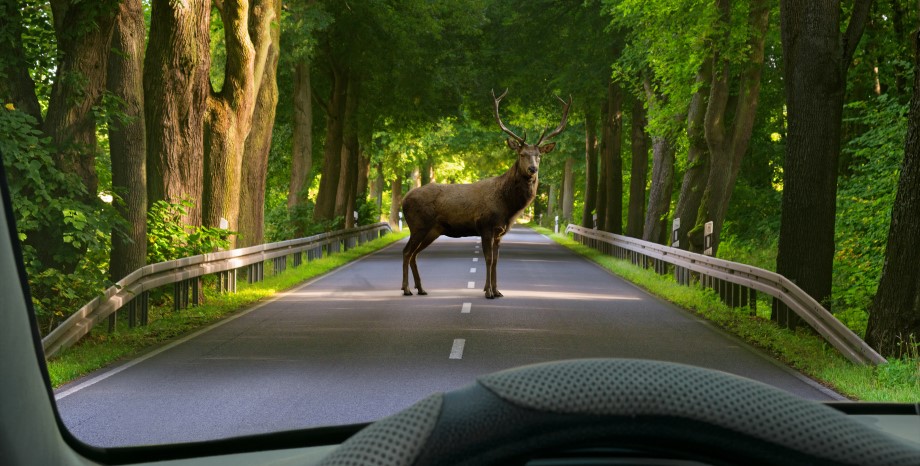
Deer pose an array of difficulties for members: disrupting safety on airport runways, damaging crops and flower and vegetable plots, and, certainly, creating risk for those driving on roads and highways.
Michigan’s Department of Natural Resources (DNR) recently shared three publications that might assist members in determining the correct strategy for their areas. MMRMA recognizes that communities can often be divided on the best way to cope with the challenges of dealing with deer.
Here are a few resources from Michigan DNR:
Michigan DNR Policy – Urban White-Tailed Deer Conflict
Michigan DNR – Suburban Deer Overview
Michigan DNR – Options for Managing Deer
For more information, see their website.
Member resources provide additional guidance
The City of Southfield’s wildlife commission issued an infographic noting that October to December is deer rutting season, suggesting residents watch out for:
- Increased deer activity at dawn and dusk
- Groups of deer – if you see one, there are likely others nearby
- Bucks chasing or fighting (aka rutting)
- Sudden crossings near wooded areas
To avoid collisions when driving:
- Slow down and stay alert
- Use high beams when it’s safe to do so
- Avoid swerving – brake firmly and stay in your lane
- Expect more than one deer
- Always wear your seat belt
Sightings of other wildlife, such as coyotes, are also prevalent in neighborhoods across the state. Southfield’s wildlife commission also released an infographic on what to know about coyotes in fall/winter:
- Bigger looking coyotes indicate winter coats, not increased size
- Increased activity is due to mating + food scarcity
- Seeing coyotes is normal – they help control rodent populations!
- Coyotes avoid people unless they’re attracted by food
To keep pets safe:
- Keep them supervised and leashed
- Bring them inside at dusk and dawn
- Remove outdoor food sources
- Use motion lights and secure fencing
- If a coyote approaches, make yourself big + loud
We hope our members find these resources and guidelines useful. Please contact Membership Services if you have any questions.
Thank you to the City of Southfield for sharing their resources to help benefit their fellow MMRMA members!